

Key Takeaways
- Care suites and skilled nursing serve different needs; a care suite is a long-term home, while skilled nursing is for short-term medical recovery.
- A care suite can offer personalized, nonmedical support in a private, residential apartment within a senior living community.
- Skilled nursing provides intensive medical care and therapy in a clinical setting, typically after a hospital stay.
- Key differences include the living environment, the type of care offered, and the intended length of the stay.
Understand the Difference Between Care Suites and Skilled Nursing
Navigating the world of senior living with communities like Round Lake Senior Living can feel like learning a new vocabulary. Terms like care suites and skilled nursing sound similar, but they describe very different approaches to support and well-being.
Understanding your options for 24-hour senior care helps you and your loved one choose support that aligns with your loved one’s personal needs and lifestyle goals.
Care suites and skilled nursing are not the same because they are designed for different needs and timelines.
A care suite is a personal residence within a community that offers significant daily assistance for long-term living. Skilled nursing provides intensive, short-term medical care in a more clinical setting, often following a specific health event.
Defining a Care Suite in a Senior Living Community
A Place for Personalized Support
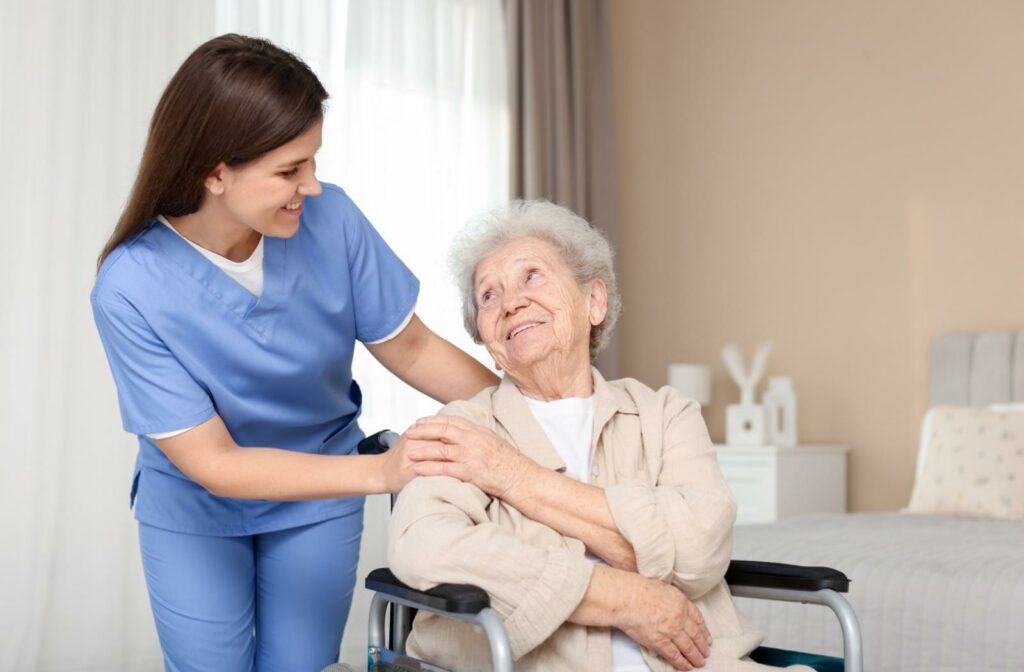
Think of a care suite as your own private apartment, but with a dedicated team nearby to help whenever you need it.
Like assisted living, the goal is to support your loved one’s independence, where your loved one can live in a comfortable, apartment-style home. However, care suites can offer higher levels of medical services, with more hands-on assistance throughout the day.
Because it’s part of a larger senior living community, your loved one has access to social events, dining, and shared spaces.
It’s a lifestyle structure that helps your loved one stay connected and engaged with friends and neighbors, supporting their freedom of choice and creating a sense of belonging.
A Focus on Independence and Comfort
The main goal of a care suite is to support your independence in a comfortable, residential setting. The support you receive is tailored to your or your loved one’s specific needs, whether it’s help with mobility, personal care, or managing your daily schedule.
The approach allows your loved one to focus their energy on hobbies, friendships, and activities they truly enjoy, knowing that a supportive team handles practical matters.
These suites are designed for long-term living, so you can settle in and make the space your own with personal furnishings and decorations. It’s a place to call home, offering the peace of mind that comes from knowing a compassionate team is always available.
Look at Skilled Nursing Care
The Role of Medical Professionals
Skilled nursing is quite different because its primary focus is on medical care. The environment is clinical, with on-site nurses and therapists providing specialized treatments and rehabilitation services.
The type of care is often recommended for individuals recovering from surgery, a significant illness, or an injury that requires round-the-clock medical oversight. Older adults who qualify for skilled nursing homes typically have complex health needs.
The care team, including registered nurses and certified therapists, works to help your loved one regain their strength and abilities. It’s a setting geared toward recovery, with medical professionals managing your care plan around the clock.
The focus is on healing so you can safely return to your previous living situation.
A Different Type of Stay
Unlike a care suite, a stay in a skilled nursing setting is usually temporary. The goal is to provide concentrated therapy and medical attention over a shorter period—from a few days to several weeks.
Your loved one’s stay is tied to a specific medical treatment plan with clear recovery milestones, distinguishing it from other forms of long-term care.
Because of its medical nature, the environment has a different feel from a personal residence. The daily routine is structured around therapy sessions, medical treatments, and progress assessments to support a safe and efficient recovery.
The purpose is a transitional step on the path back to health and home.
Comparing the Main Differences
The Living Environment
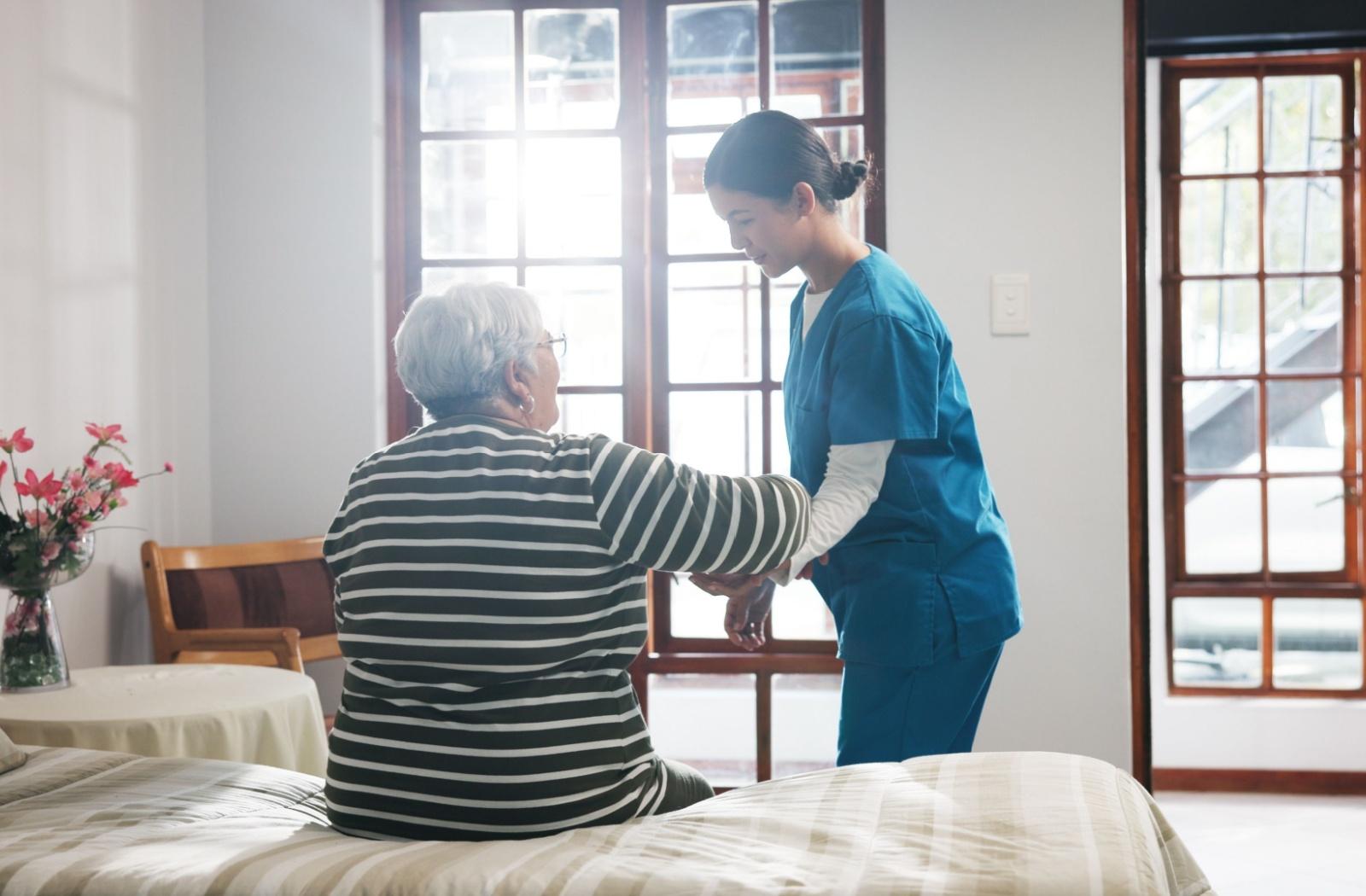
The most noticeable difference is the environment. A care suite is your home—a private apartment you can decorate and live in comfortably for the long term.
A skilled nursing setting is designed for clinical care. It often feels more like a hospital room, with a focus on medical function over personal comfort.
The Level and Type of Care
Care suites provide personal assistance with various activities of daily living, often including nonmedical support with dressing, bathing, and medication reminders.
Communities with care suites can offer medication management, physician visits, and therapy services, with their wellness programs intended to support independence.
Skilled nursing offers medical treatments, such as wound care, IV therapy, and physical or occupational therapy, administered by licensed health professionals.
A Community Built Around Your Needs
Choosing the right level of support is about finding a community that honors your loved one’s desire to live well.
A care suite can empower older adults who don’t require intensive medical supervision to maintain independence with consistent daily support. They can enjoy social connections and explore a wide range of services and amenities designed for vibrant living.
The focus should be on a complete wellness approach that adapts to your needs.
A community setting can offer a holistic senior health system to help your loved one live a fuller, more independent life. With lifestyles that include independent living, assisted living, and memory care, you can find the right balance of support and freedom to age magnificently.
Discover a vibrant community built to support you. Contact us today to learn more about the care levels available at Round Lake Senior Living and find a path that fits your life.